The emissions scandal that became public in 2015 around Volkswagen AG and its diesel vehicles created enormous public attention. Some owners worried about the resale value of their cars, others were angry that the emissions figures declared by the manufacturer were very different from real-world operation, while many simply ignored the whole story. The situation soon became known worldwide as Dieselgate.
The Dieselgate scandal mainly affected many diesel engines produced between 2008 and 2015: 1.6 TDI, 2.0 TDI, some 1.2 TDI engines and also certain 3.0 TDI versions, although the latter were often mentioned less openly in public communication. In many cases, emissions values — specifically nitrogen oxide (NOx) emissions — were partly manipulated during official emissions testing.
The wider public was mostly presented with information about environmental pollution from Volkswagen, Audi, Škoda and Seat engines. Much less attention was paid to the fact that similar software strategies or emissions-related investigations also appeared around some Mercedes-Benz, BMW, PSA Group, General Motors / Opel and Fiat diesel vehicles. So what happened next?
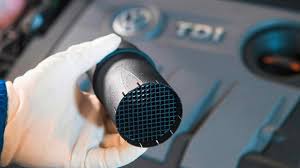
In Europe, many affected vehicles received software updates intended to reduce NOx emissions substantially. The smaller 1.6 TDI engines also received a small plastic insert in the air intake system, usually referred to as an airflow straightener. This part slightly changes the airflow characteristics entering the engine. The question is: what was the cost of this “fix”?
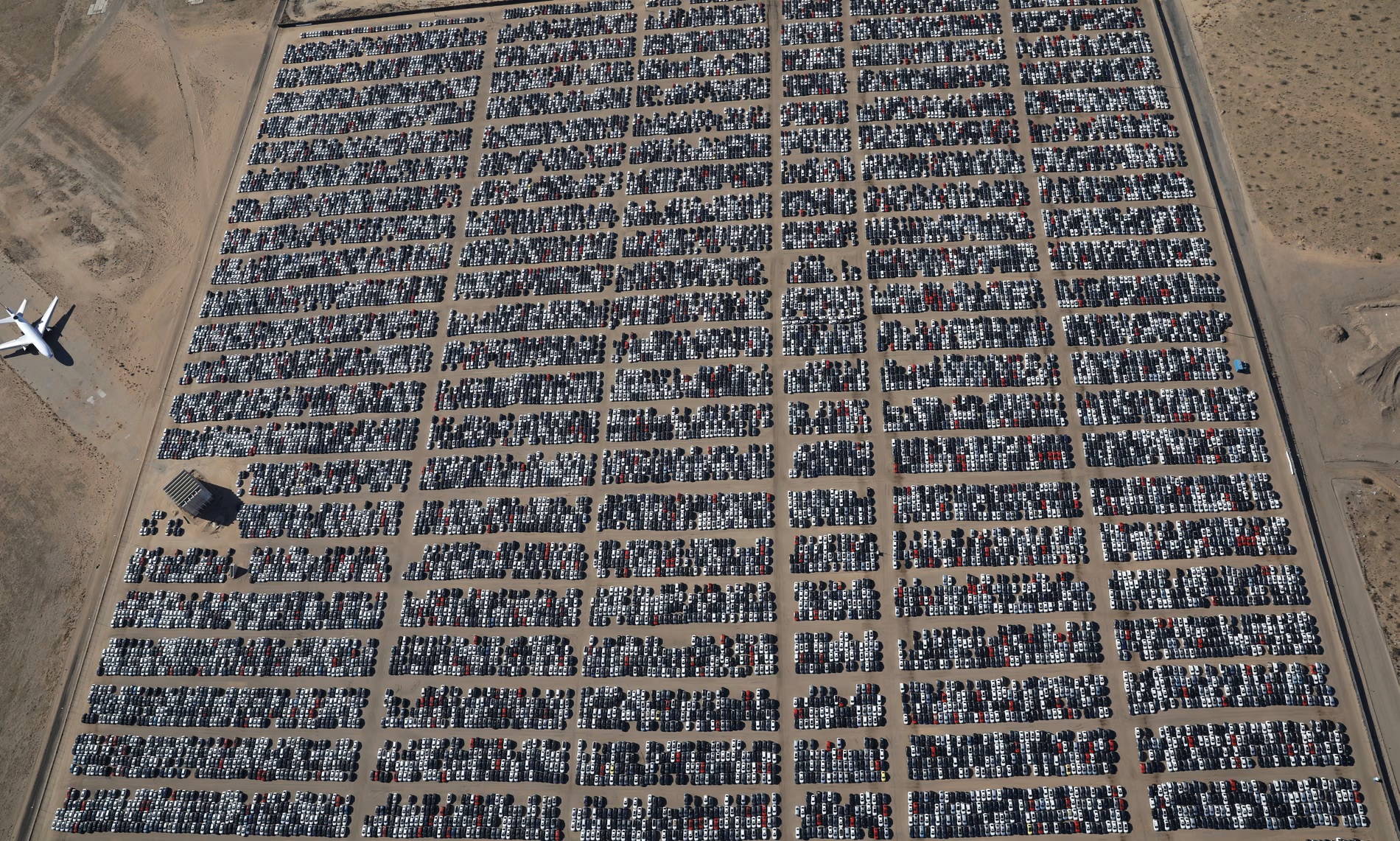
European customers were treated rather differently from customers in the United States. Due to a different legal framework and different vehicle compliance requirements, Volkswagen AG had to pay significant compensation to US buyers and repurchase a large number of affected vehicles, reportedly more than 300,000 units. In Europe, the approach was different: instead of broad compensation, most customers received software updates and, in the case of some 1.6 TDI engines, the plastic airflow insert.
In simple terms: after Dieselgate, many US customers received compensation or buyback options, while European owners mostly received software updates and hardware inserts. The consequences of these updates are the subject of this article.
Volkswagen AG, looking for a practical way out of the situation, had to solve a difficult task: reduce emissions from already-produced diesel vehicles sold in Europe. More specifically, instead of paying compensation to all owners, the manufacturer had to reduce nitrogen oxide (NOx) emissions through engine control software updates.
This is how the so-called Dieselgate software updates appeared. In many cases, they really did reduce NOx concentration in exhaust gases. But again, the important question is: at what cost?
Frequent DPF regeneration increases fuel consumption and shortens the useful life of the filter. One common symptom is the engine cooling fan continuing to run after the engine has been switched off, even when the outside temperature is not high. This often indicates that a DPF regeneration process was interrupted.
A more frequently opened EGR valve means more exhaust gas — and therefore more soot — being fed back into the intake system and engine. This increases contamination inside the intake system and reduces the service life of the EGR valve itself.
The conclusion is simple: Dieselgate software updates may reduce NOx emissions, but they can also harm engine behavior, vehicle dynamics, fuel consumption and the service life of related components. Unfortunately, many vehicle owners do not notice or understand these technical consequences immediately. The situation was convenient for the manufacturer, but not necessarily for the vehicle owner or their wallet.
We can detect Dieselgate engine software quickly and clearly. When performing engine programming work, we restore a more engine-friendly software version where technically appropriate. As a separate service, this is usually not expensive and depends on the engine type and how deeply the updated software strategy is hidden.
EU response to the Dieselgate scandal — review document: https://www.eca.europa.eu/lists/ecadocuments/brp_vehicle_emissions/brp_vehicle_emissions_lt.pdf
https://teknikensvarld.se/dieselgate-volkswagen-cars-loses-power-after-fix-456111/
https://www.cleanenergywire.org/factsheets/dieselgate-timeline-germanys-car-emissions-fraud-scandal
https://www.driving.co.uk/news/dieselgate-readers-complain-new-issues-vw-fix/
https://unearthed.greenpeace.org/2018/03/29/volkswagen-fix-us-europe-effective-dieselgate/
https://www.theicct.org/publications/VW-defeat-device-fixes-US-EU-comparison-dec2017
Porsche: https://recall.porsche.com/prod/pag/vinrecalllookup.nsf/VIN?ReadForm
Mercedes-Benz / Daimler AG: https://qz.com/1412195/mercedes-takes-hit-on-dieselgate-in-europe-but-not-in-us/
Fiat Chrysler: https://phys.org/news/2019-01-fiat-chrysler-mn-dieselgate-settlements.html
BMW AG: http://fortune.com/2018/09/03/bmw-dieselgate-fine/
PSA / Peugeot-Citroën: https://newmobility.news/2018/06/20/dieselgate-what-about-french-psa-and-renault-investigation/
Galingas LT services for passenger cars: https://en.galingas.lt/cars/


